
Speculative fiction has long served as a mirror to society, reflecting its values, fears, and aspirations. Whether its Lucian’s A True Story, often described as “the first known text that could be called science fiction,” setting a precedent for the genre, or Frank Herbert’s space epic Dune, the imaginative landscapes of science fiction and fantasy push boundaries and challenge norms, encouraging audiences to confront uncomfortable truths and consider new perspectives. In recent years, as iconic franchises such as Star Wars, Marvel, Doctor Who, and Star Trek have embraced more diverse casting and storytelling, they have faced a wave of criticism that could reveal deeper, more troubling societal issues.
The Rise of Criticism
Criticism of new entries in beloved franchises is nothing new. Fans hold deep emotional connections to these stories and characters, and any perceived deviation from the original vision can spark discontent. However, the nature of the criticism directed at shows like “The Acolyte” often transcends concerns about writing quality or casting choices. Instead, it frequently veers into questions of whether the inclusion of people of diverse races, colours, and genders is compatible with the historical canon.
The internet has amplified these voices, turning forums and social media platforms into battlegrounds where fans clash over the direction of their favourite franchises. Phrases like “bad writing” and “poor casting” become euphemisms for underlying discomfort with diversity. The narrative shifts from a critique of artistic choices to a defence of an imagined purity of the original works—one that is often exclusionary.
The Role of Speculative Fiction
Speculative fiction has always been about more than just entertainment. It challenges us to envision different worlds and consider new possibilities. At its best, it encourages self-reflection and social critique. The inclusion of diverse characters and stories is not a betrayal of the genre but a fulfilment of its potential. By exploring issues of race, gender, and identity, these narratives hold up a mirror to our own world, urging us to confront our biases and expand our understanding.
The resistance to this shift often stems from toxic masculinity—a cultural construct that values traditional male dominance and suppresses expressions of vulnerability and empathy. Toxic masculinity is threatened by diversity because it undermines the status quo and challenges deeply held beliefs about power and identity.
Doctor Who: Breaking Boundaries and Facing Backlash
“Doctor Who,” a seminal British science fiction series, has a long history of challenging norms. The Doctor, a time-traveling alien with the ability to regenerate into a new form, has traditionally been portrayed by white male actors. However, the casting of Jodie Whittaker as the first female Doctor in 2017 marked a significant shift.
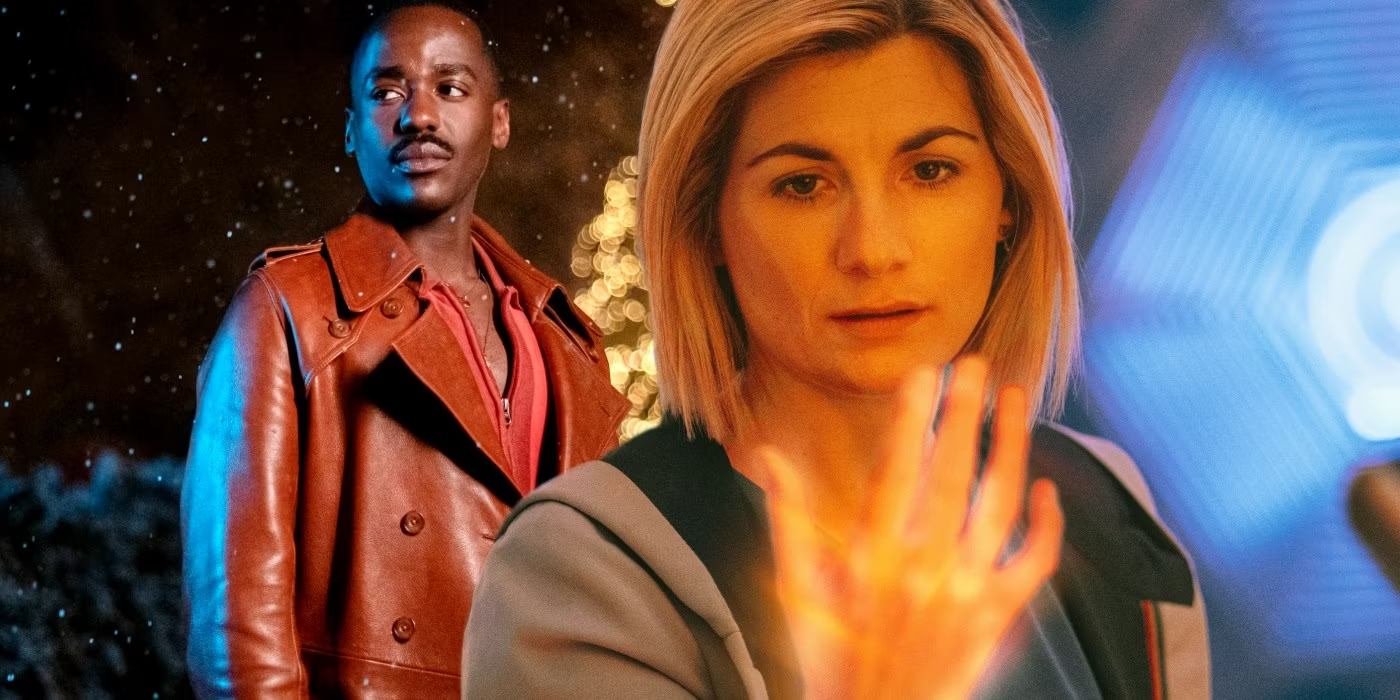
Whittaker’s portrayal brought a fresh perspective to the character, exploring themes of empathy, collaboration, and inclusivity. Yet, this change sparked intense criticism from some segments of the fanbase, with claims that the show was pandering to political correctness or losing its essence. This backlash often ignored the show’s legacy of progressive storytelling and its inherent message of change and adaptability.
Further pushing boundaries, the introduction of Ncuti Gatwa as the Fifteenth Doctor, the first Black actor to play the Doctor in a leading role, has also sparked conversation and controversy. Gatwa’s casting continues the series’ tradition of diversity and reinvention, challenging fans to embrace a broader vision of who the Doctor can be.
Star Trek: A Vision of Unity and Diversity
“Star Trek” has always been a beacon of diversity and inclusivity, envisioning a future where humanity has overcome its divisions. The original series broke ground with the multicultural crew of the USS Enterprise, featuring African American communications officer Lieutenant Uhura (Nichelle Nichols) and Japanese helmsman Lieutenant Sulu (George Takei).
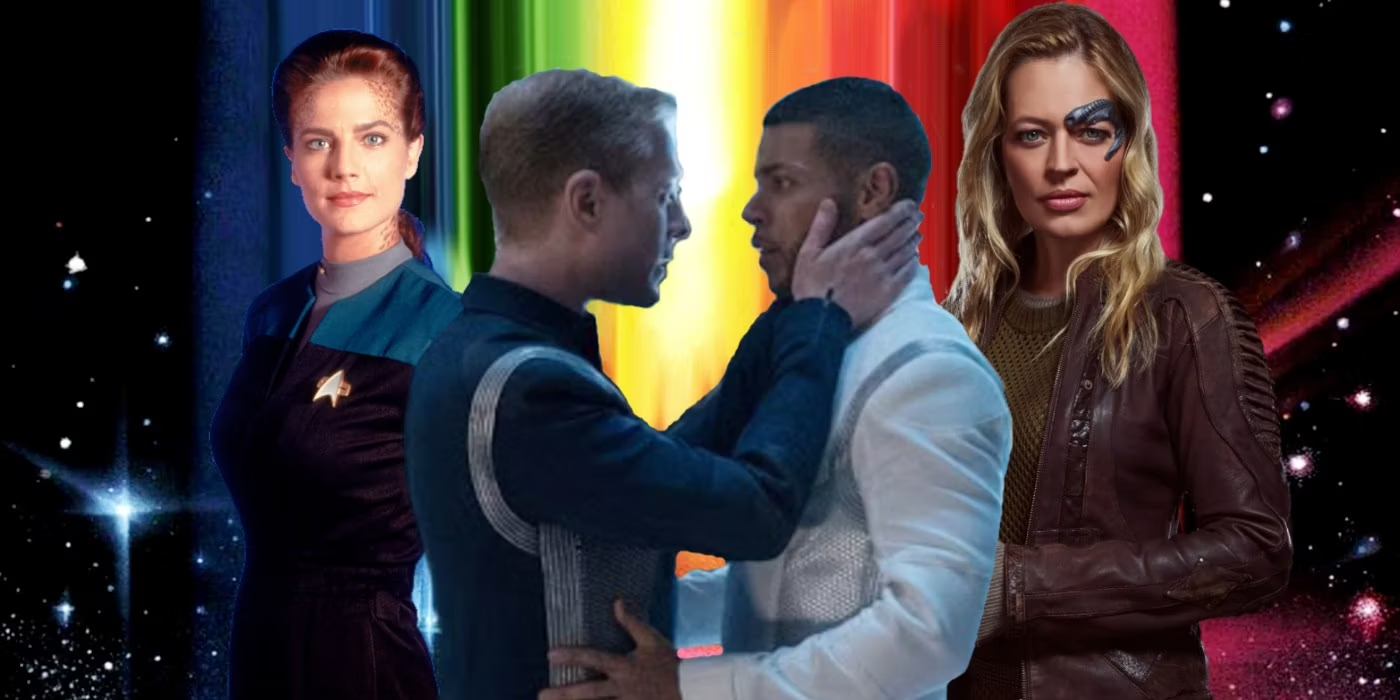
In recent iterations like “Star Trek: Discovery,” the franchise has continued this tradition by featuring diverse leads, including women of color and LGBTQ+ characters. For instance, Michael Burnham, portrayed by Sonequa Martin-Green, is the first Black female lead in the franchise. Additionally, the inclusion of openly gay characters like Lieutenant Stamets (Anthony Rapp) and Dr. Culber (Wilson Cruz) represents a significant step forward.
Despite these positive strides, “Star Trek” has faced criticism from those who feel that its focus on diversity detracts from the storytelling. This resistance often overlooks the fact that “Star Trek” has always aimed to reflect societal progress and challenge prejudices, embodying Gene Roddenberry’s vision of a united, diverse future.
Marvel: Heroes Reflecting Modern Society
The Marvel Cinematic Universe (MCU) has become a cultural juggernaut, bringing superheroes to life on the big screen. In recent years, Marvel has made a concerted effort to diversify its roster of heroes, reflecting the diversity of its audience. Films like “Black Panther” and “Captain Marvel” have broken new ground, both critically and commercially.
“Black Panther,” directed by Ryan Coogler, showcased a predominantly Black cast and explored themes of African identity, colonialism, and social justice. The film’s success demonstrated the appetite for diverse stories and heroes. Similarly, “Captain Marvel,” featuring Brie Larson as the titular character, provided a powerful narrative about female strength and resilience.
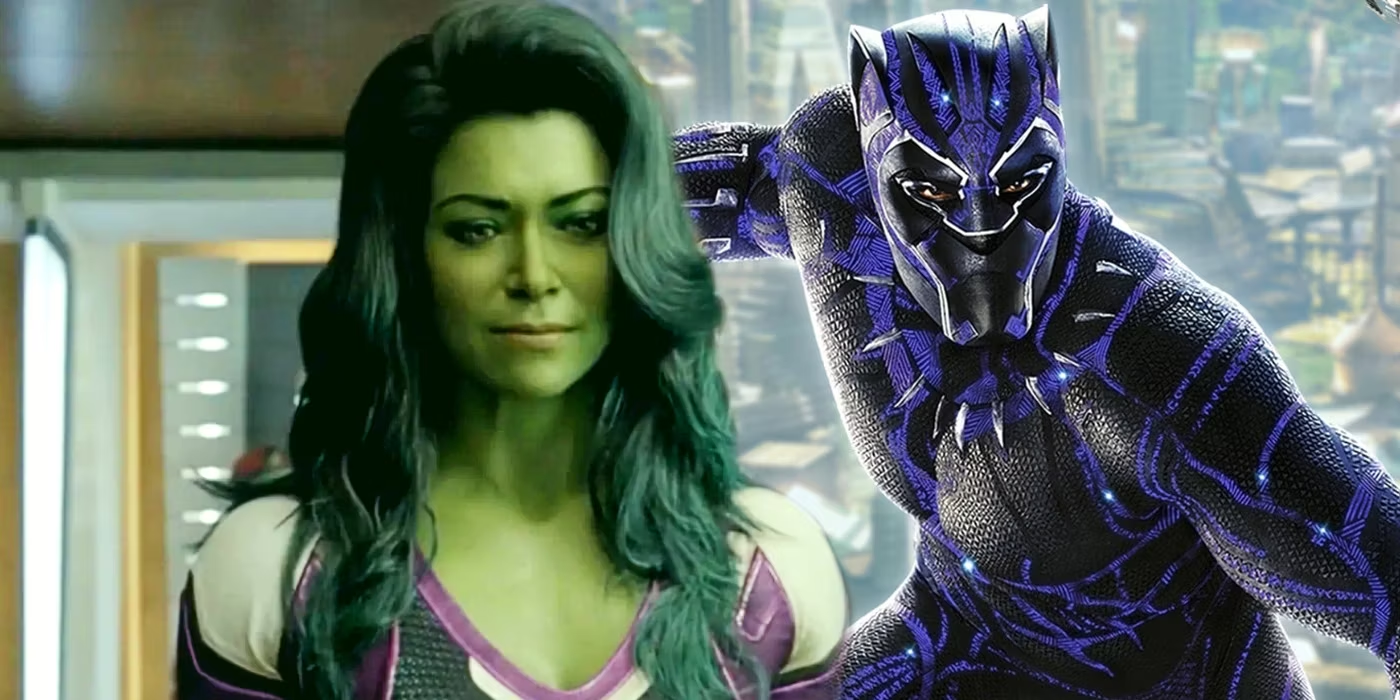
However, these strides towards inclusivity have not been without controversy. Online backlash against characters like Captain Marvel, She Hulk and the anticipated introduction of LGBTQ+ characters in the MCU reveals a discomfort with the changing face of heroism. Critics often mask their resistance to diversity with arguments about character development or plot coherence, but the underlying issue frequently ties back to a reluctance to see traditional power dynamics challenged.
The Importance of Reflection
For fans who feel provoked by these changes, it is crucial to engage in self-reflection rather than outright condemnation. Why does the inclusion of a female lead or a character of colour feel like an affront? What does this discomfort reveal about our own assumptions and prejudices? Speculative fiction asks us to imagine worlds where different rules apply. In doing so, it provides a safe space to explore and understand our own world more deeply.
By embracing diversity in speculative fiction, we open ourselves to richer, more nuanced stories. We allow for the representation of a broader range of experiences and perspectives, which ultimately leads to a more inclusive and empathetic society. Instead of clinging to a narrow vision of the past, we should celebrate the ways in which these stories evolve and grow.
Moving Forward
The backlash against diversity in speculative fiction is a symptom of a larger cultural struggle. As society becomes more inclusive, there will inevitably be resistance from those who feel their positions of privilege are threatened. However, it is through this very struggle that progress is made.
The “Star Trek: Deep Space Nine” episode “Far Beyond the Stars” is a powerful exploration of racism and social injustice, showcasing the series’ commitment to addressing real-world issues through the lens of speculative fiction. In this episode, Captain Benjamin Sisko experiences visions of himself as Benny Russell, a Black science fiction writer in 1950s America, who faces systemic racism and discrimination in his efforts to get his story published. The episode, lauded for its poignant storytelling and strong performances, particularly by Avery Brooks, who also directed it, underscores the ongoing relevance of diversity and representation in speculative fiction. By juxtaposing the futuristic ideals of “Star Trek” with the harsh realities of the past, “Far Beyond the Stars” challenges viewers to reflect on the progress made and the work still needed to achieve true equality and inclusion. This narrative serves as a reminder of the genre’s potential to provoke critical thought and inspire change.
Creators must continue to push boundaries and challenge norms, even in the face of criticism. The challenge for fans, in turn, is to strive to engage with these stories thoughtfully, recognizing the value of diverse voices and perspectives. By doing so, we honour the true spirit of speculative fiction—one that encourages us to imagine better, more inclusive futures.
In the end, the stories we tell and the characters we champion reflect the kind of world we want to create. It is my hope that we can choose a world where everyone has a place, where all voices are heard, and where the boundaries of possibility are continually expanded.